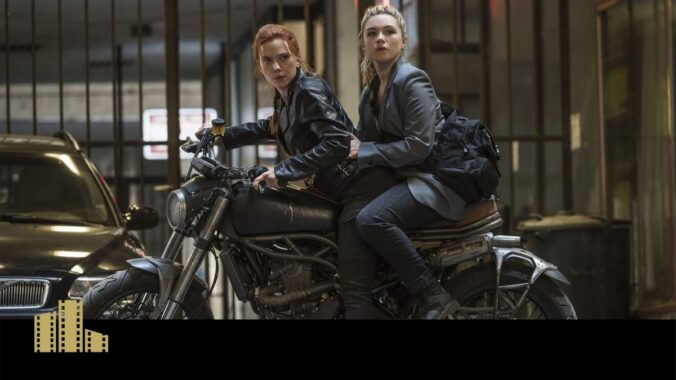
It’s taken a long, long, long, looooooong time to get to this point. Scarlett Johannson’s Natasha Romanoff has been part of the Marvel Cinematic Universe since 2010, when she appeared alongside Nick Fury in Iron Man 2.
Since then, she’s popped up in pretty much all of the biggest films in the franchise in some way shape or form – yet a solo film eluded her. To add salt to the wounds, Marvel decided to give a brand new hero, Brie Larson’s irritating Carol Danvers her very own film in 2019’s forgettable Captain Marvel.
Fast forward to 2020, and the prayers of fans the world over were answered – only for COVID-19 to hit just before the film’s May release window. Pushed back to July this year, we finally got to see Scar-Jo in action once again kicking off Phase 4 of the MCU. But can this Widow’s web ensnare a new generation?
Natasha Romanoff, aka Black Widow, confronts the darker parts of her ledger when a dangerous conspiracy with ties to her past arises. Pursued by a force that will stop at nothing to bring her down, Natasha must deal with her history as a spy, and the broken relationships left in her wake long before she became an Avenger.
I always say that the best Marvel movies are those that don’t feel like typical superhero films – Captain America: The Winter Soldier felt more like a heist film at times and Guardians of the Galaxy was an epic space opera not dissimilar to what we’ve gotten from the likes of Star Wars over the years, and Black Widow follows similar tropes.
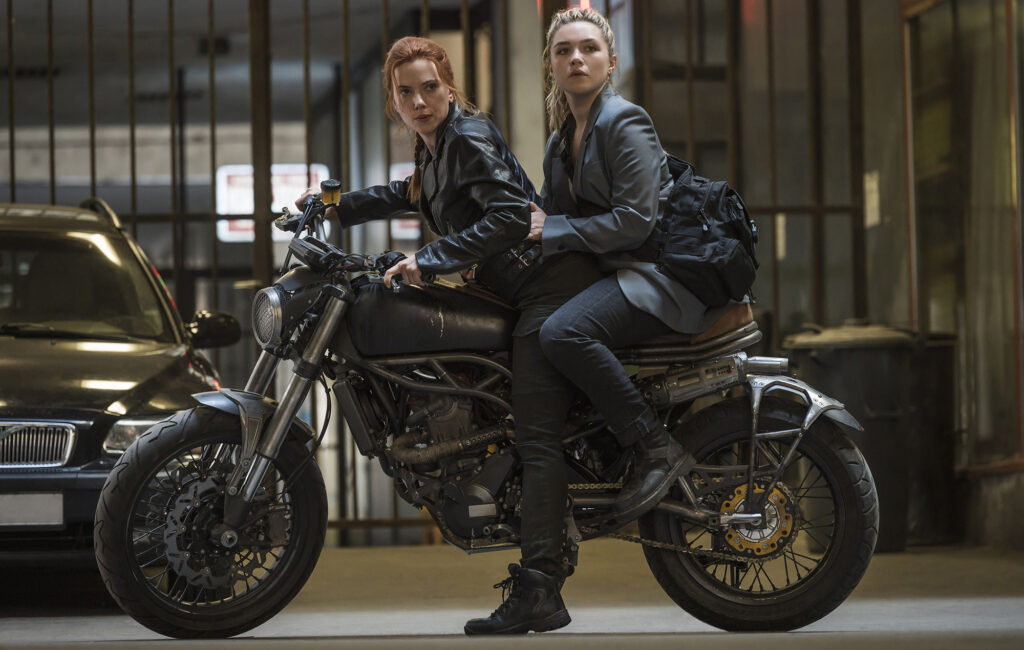
There is no world-saving going on here, the film feels much, much smaller and that’s a good thing. The first two acts had me recalling thrillers like Red Sparrow (though thankfully it is better than that), Taken and at times Mission: Impossible and it feels all the better for it. Not until the final third does the film revert to the typical superhero themes that we have come to expect.
That’s not to say it’s dull – far from it. The action is nicely choreographed with a rawness not normally seen from the MCU, though I was sitting in the cinema wishing for our first 15 certificated Marvel movie because the impressive physicality to the stunts and fight scenes almost deserves a little more “punch” if you’ll pardon the pun.
Australian director Cate Shortland, in her first big-budget feature, shoots the film akin more to those aforementioned thrillers which does take some getting used to, but once you’re settled in, the style works well.
The small, insular feel to the film works really well, and Florence Pugh is a definite highlight.
To look at, Black Widow is attractive, but not groundbreaking. It keeps that grimy feel that a lot of thrillers have and it works, but I was expecting a little more from Gabriel Beristain’s cinematography.
From a casting perspective, it’s a bit of a mixed bag. Johannson is excellent as usual and can definitely carry a solo Widow film – though we had absolutely no reason to doubt her. Florence Pugh makes up the other half of the Widows as Natasha’s “sister” Yelena. Her accent is a little rough at time but the pair share really good chemistry and have a blast with the usual witty dialogue you’ve come to expect from Marvel cinema.
Then we come on to David Harbour as Red Guardian. The Stranger Things alumni is fine but written in an increasingly irritating way. He’s clearly there to provide the comic relief and that he does, but it’s a little too much at times with a joke in every scene he’s in – serious or not.
From a villain point of view, an area which I think most superhero films struggle, Black Widow sits middle of the pack. Taskmaster and Ray Winstone’s Russian General, Dreykov, are both good but don’t really make a lasting impact like Michael Keaton’s Vulture or Thor: Ragnarok’s Hela for instance.
Overall, Black Widow is a fantastic solo outing for Scarlett Johannson’s character. The small, insular feel to the film works well and Florence Pugh is a real highlight. Did she deserve a solo outing before this? Absolutely, but we can be confident in saying that the finished product was definitely worth the wait.


Leave a Reply